Safe Browsing Practices for Free-Tier OnlyFans Users
OnlyFans attracts millions of users seeking content across every price tier, including completely free subscriptions. BestOnlyFans research indicates that zero-cost entry points require distinct security protocols precisely because the barrier to creation is lower. This guide addresses the specific risks faced by free-tier subscribers and provides concrete protective measures for safe browsing.
Free pages operate differently from paid subscriptions. While the platform itself maintains consistent security infrastructure, the economic incentives and verification standards for creators vary significantly between free and monetized accounts. Understanding these structural differences helps users make informed decisions about engagement.
The following sections cover verification procedures, payment protection, privacy configuration, scam identification, and incident response. Each recommendation applies specifically to free-tier browsing contexts where additional vigilance proves necessary.
Unique Security Considerations for Free Pages
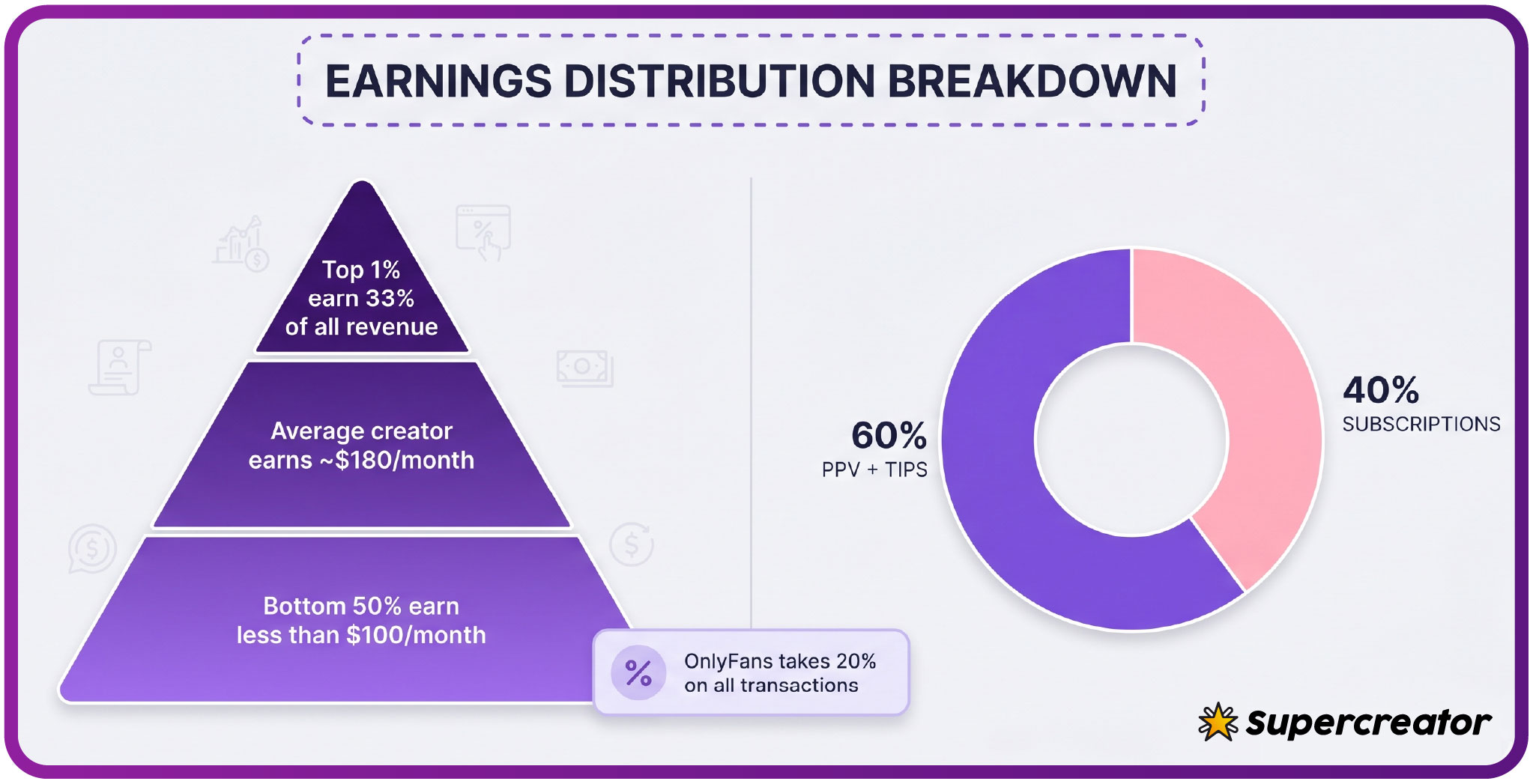
Zero-cost subscription models alter the risk landscape in measurable ways. Free pages face less stringent creator verification requirements than paid accounts, which can result in higher volumes of fraudulent listings. The platform’s 20% fee structure applies equally to all revenue, but free pages generate income exclusively through tips and pay-per-view messages, creating different behavioral incentives.
The absence of mandatory subscription pricing means creators can establish presence without financial commitment to the platform. This legitimate business flexibility also enables faster deployment of deceptive accounts. Users should recognize that free access does not equate to reduced platform security, but rather to variable creator accountability.
| Risk Factor | Free Page | Paid Page |
|---|---|---|
| Verification depth | Basic identity check | Enhanced with banking verification |
| Creator accountability | Lower financial stake | Subscription revenue at risk |
| Scam prevalence | Higher reported incidents | Reduced due to payment barrier |
| Payment exposure | Limited to tips and PPV | Recurring subscription + extras |
| Platform support priority | Standard queue | Priority for payment disputes |
Payment exposure differs substantially between tiers. Free pages cannot charge recurring subscriptions, limiting automatic billing risks. However, pay-per-view messages can reach $50 per item, and paid chat functions typically run $3-$5 per message, creating significant expenditure potential without subscription controls. Verifying the authenticity of both the platform and specific pages prevents common deception schemes. Users should complete a standardized checklist before creating accounts or subscribing to any free content.
Account Verification Before Any Free Subscription
- Check URL for onlyfans.com — verify no subdomain variations or misspellings exist
- Confirm mobile app source — download exclusively from official app stores with publisher verification
- Verify $0 price display — ensure the subscription cost explicitly shows zero before confirmation
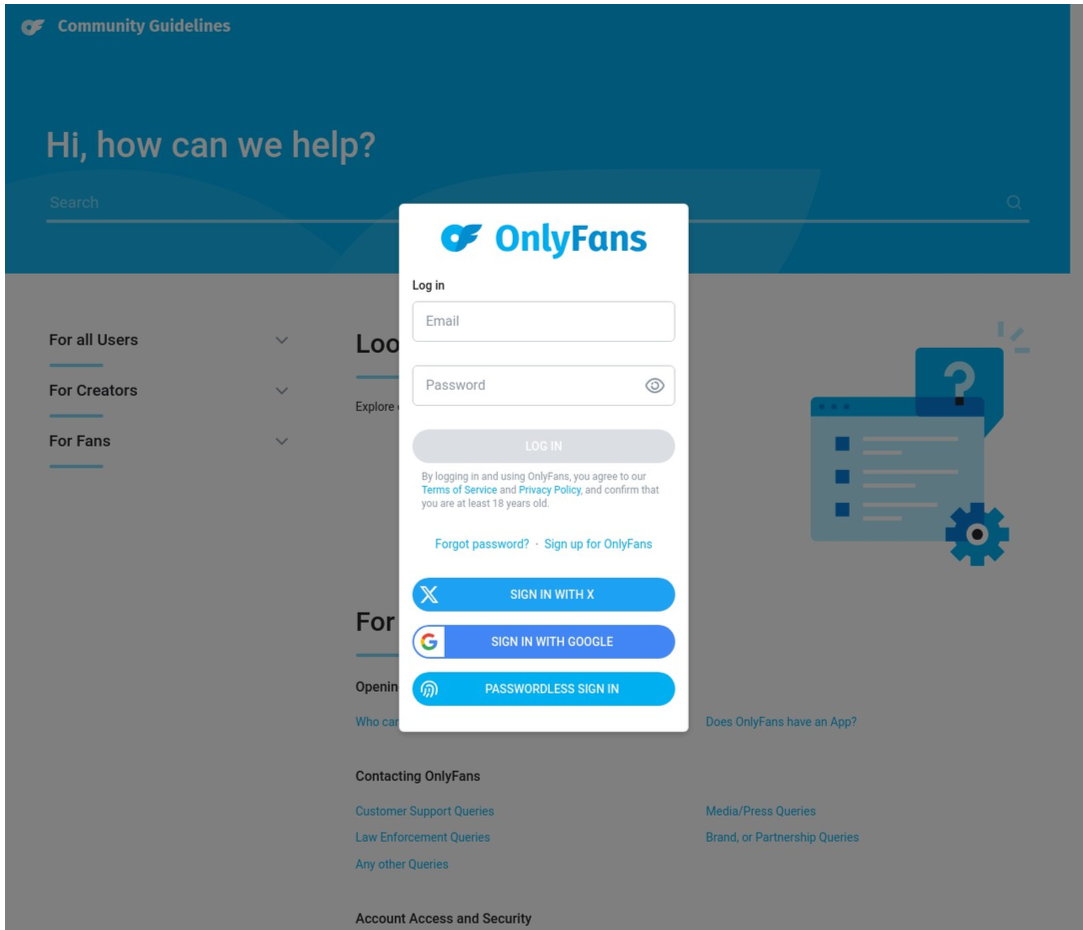
- Locate terms of service — accessible footer links should direct to onlyfans.com/terms
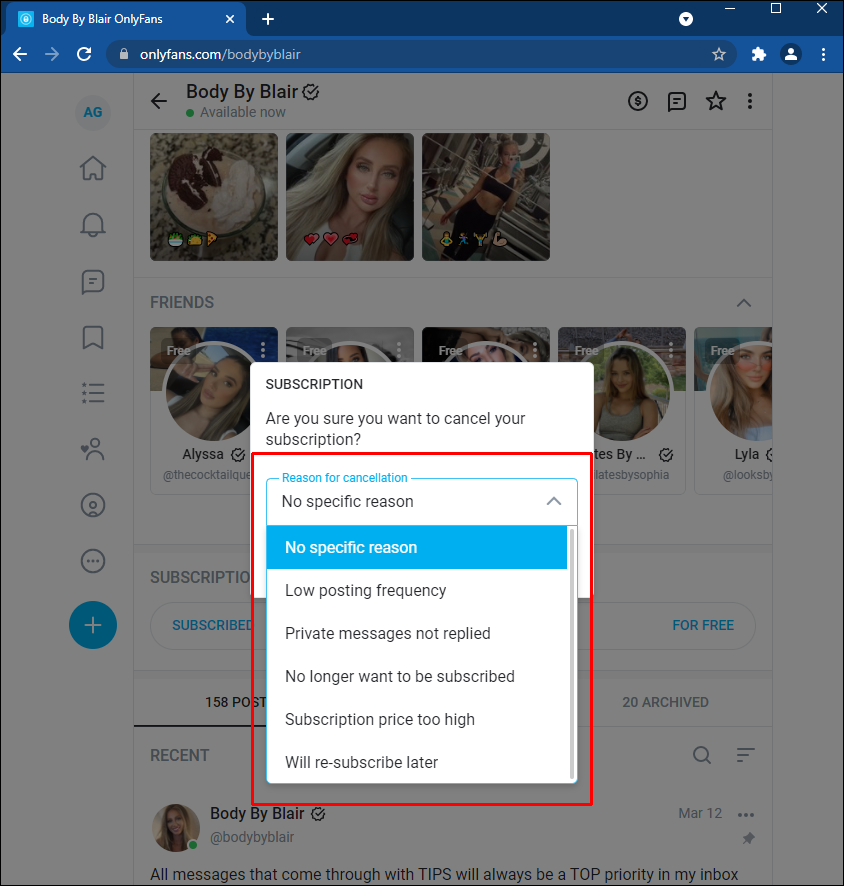
- Find cancellation pathway — confirm unsubscribe functionality exists before subscribing
- Check for creator verification badge — indicated by checkmark on established accounts

Domain verification warrants particular attention. Phishing campaigns frequently use visually similar URLs to capture credentials. The official platform employs consistent SSL certificates and never requests login information through email links. Bookmarking the authentic login page reduces exposure to typo-squatting domains.
Payment Method Protection Strategies
Even free subscriptions require payment method registration for identity verification and potential purchases. The platform places a $0.10 verification hold on new cards, refunded within days. Protecting this payment channel limits downstream exposure.
- Virtual card services — generate single-use numbers with spending limits
- Prepaid cards with set limits — isolate OnlyFans activity to specific funding amounts
- Bank account isolation — dedicate a secondary account with minimal balance
- Immediate verification hold confirmation — verify the $0.10 charge appears and disappears
- Monthly statement review schedules — calendar reminders for transaction verification
Virtual card implementation deserves emphasis. Services providing disposable card numbers allow users to set per-transaction and monthly ceilings. Configuring these limits below typical PPV message thresholds ($50 maximum) prevents unexpected charges while preserving platform functionality.
Privacy Settings and Data Minimization
Account configuration determines data exposure extent. Default settings often maximize platform engagement at privacy cost. Users should systematically reduce identifiable information without impairing core functionality.
- Non-identifying username — avoid real names or searchable handles
- Separate email address — dedicated account unlinked to primary communications
- Minimal profile completion — omit location, employer, and biographical details
- Location services disabled — prevent geolocation sharing in platform and device settings
- Message auto-delete settings — reduce retention of conversation histories
- Limited social media linkage — avoid connecting external accounts
The username selection carries particular weight. Reverse searches on distinctive handles can expose other platform presences. Generic identifiers with numerical elements provide reasonable anonymity without appearing obviously fabricated.
Email isolation serves dual purposes. Dedicated addresses contain potential data breaches and prevent cross-platform correlation. Free email providers support this configuration without additional cost.
Recognizing and Avoiding Free-Page Scams
Free-tier environments exhibit specific deception patterns. Understanding these categories enables rapid identification and avoidance. The economic structure of free pages—dependent on tips and PPV rather than subscriptions—creates predictable exploitation vectors.
- External payment demands — requests to move transactions off-platform for “discounts” or “verification”
- Credential phishing — fake login prompts or “account verification” requests via message
- Content reselling operations — unauthorized redistribution of others’ material with false creator identity
- Fake promotional urgency — limited-time “upgrades” pressuring immediate PPV purchases
Off-platform payment demands represent immediate red flags. The legitimate platform processes all transactions internally; external payment requests violate terms of service and indicate fraudulent intent. No creator requires alternative payment methods for any stated purpose.
Content reselling operations pose particular verification challenges. These accounts appropriate material from genuine creators, offering it through free pages with tip requests. Reverse image searches and creation date consistency checks help identify authentic sources.
Critical warning: Never provide login credentials in response to any message claiming account verification needs. The platform never requests passwords through direct messages or email links. Immediate password changes and support tickets should follow any such request.
Monitoring for Unauthorized Activity
Proactive surveillance detects compromise early. Free-tier users should establish monitoring protocols despite lower recurring charge risks. Tips and PPV transactions can accumulate significantly without subscription alerts.
Transaction notifications provide primary defense. Enabling all payment alerts ensures immediate awareness of charges. The $0.10 verification hold pattern serves as baseline knowledge—unusual hold amounts or repeated verification attempts indicate card testing by unauthorized parties.
Login notifications reveal account access anomalies. Geographic impossibilities or unrecognized device prompts warrant immediate investigation. Two-factor authentication, visible in account security settings, substantially reduces unauthorized access probability.
Safe Discovery Through BestOnlyFans Rankings
Finding legitimate free pages presents challenges given the platform’s absence of built-in discovery feeds. External ranking sites fill this gap, though quality varies dramatically. BestOnlyFans employs verification methodologies that reduce exposure to fraudulent listings.
Curated ranking platforms provide multiple protective layers absent from raw search results. These mechanisms deserve understanding for effective utilization. The following table details specific safety features and corresponding user verification actions:
| Safety Feature | How It Protects | User Action |
|---|---|---|
| Verification requirements | Confirms creator identity documentation | Check badge presence before subscribing |
| User review systems | Surfaces quality and legitimacy patterns | Read multiple reviews across time periods |
| Pricing transparency | Prevents hidden cost surprises | Verify listed prices match platform display |
| Account age filtering | Excludes newly created suspicious accounts | Prefer listings with minimum tenure thresholds |
| Report mechanisms | Enables community-driven fraud detection | Contribute reports for suspicious encounters |
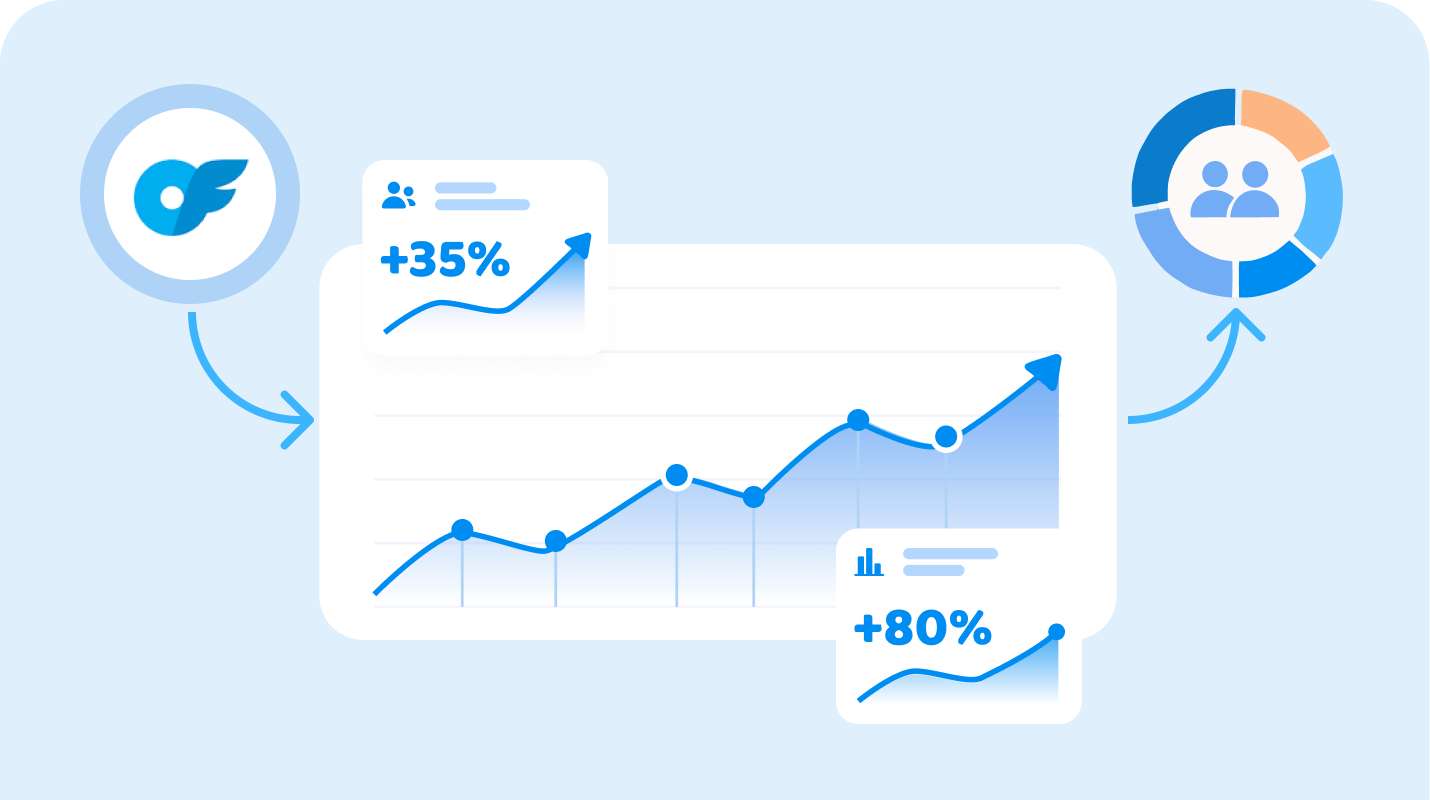
Users exploring international content should verify regional availability and compliance. For German-language free pages specifically, resources like free onlyfans germany provide curated listings with appropriate verification standards.
Cross-referencing multiple ranking sources prevents single-point manipulation. No aggregation site maintains perfect accuracy; corroboration across platforms improves reliability.
Incident Response and Reporting Procedures
Security incidents require systematic response regardless of perceived severity. Free-tier users often underestimate appropriate reaction scope due to zero subscription costs. Financial and identity risks demand equivalent procedures across all price tiers.
- Screenshot documentation — capture messages, transaction records, and profile information before deletion
- Immediate password change — secure account access before reporting
- Platform support ticket — file through official help center with incident specifics
- Financial institution notification — alert card issuer for suspicious authorization patterns
- Credit monitoring activation — if card compromised, enable alerts for new account openings
Documentation timing proves critical. Perpetrators frequently remove evidence upon suspicion. Screenshots preserve proof for platform investigation and potential financial dispute resolution.
Platform reporting through official channels ensures appropriate escalation. The help center routes fraud reports to dedicated teams with investigation authority. Bypassing official channels through social media or creator contact typically delays resolution.
Monitoring for Unauthorized Activity
Regular account audits complement real-time monitoring. Monthly reviews of subscription status, connected devices, and payment methods identify drift from intended configuration. Free-tier users should schedule these audits despite lower apparent risk profiles.
The platform’s creator price increase policy provides relevant precedent: when creators raise prices, auto-renew stops and existing access continues until period end. Understanding this mechanic helps users recognize legitimate billing changes versus unauthorized modifications.
the ranking site methodology incorporates longitudinal account behavior analysis. Patterns inconsistent with typical free-page engagement—sudden message volume spikes, external link proliferation, or payment method change requests—warrant heightened scrutiny.
FAQ
Can free pages see my personal information?
Free pages access only information you explicitly provide in your public profile and direct messages. Payment details remain encrypted and inaccessible. Username, profile photo, and any bio content you add constitute visible information. Minimizing these elements limits exposure appropriately.
What should I do if a free page asks for my password?
Report immediately and change your password. No legitimate creator or platform representative requests login credentials. This request indicates credential phishing with certain malicious intent. Document the message through screenshots before reporting through official support channels.
Are free pages more likely to contain malware?
Direct malware distribution through platform-hosted content is technically prevented by infrastructure controls. Risk emerges through off-platform links in messages or profiles. Free pages may more frequently attempt external redirects. Avoid clicking any link requiring download or additional login.
How long should I monitor my card after subscribing free?
Maintain heightened vigilance for 30 days following initial card registration, then standard monthly reviews thereafter. The $0.10 verification hold should clear within days; persistent or repeated holds indicate card testing. Enable transaction alerts for immediate notification of any authorization attempt.